

Progresso Smallholders ASD
N/A - 3498
36
The Natural Anaerobic Slow Dried process is among the most
technically demanding in specialty coffee — and its presence
in a smallholder system in Zumba, Zamora Chinchipe, says something
meaningful about how far this region has come in a short time.
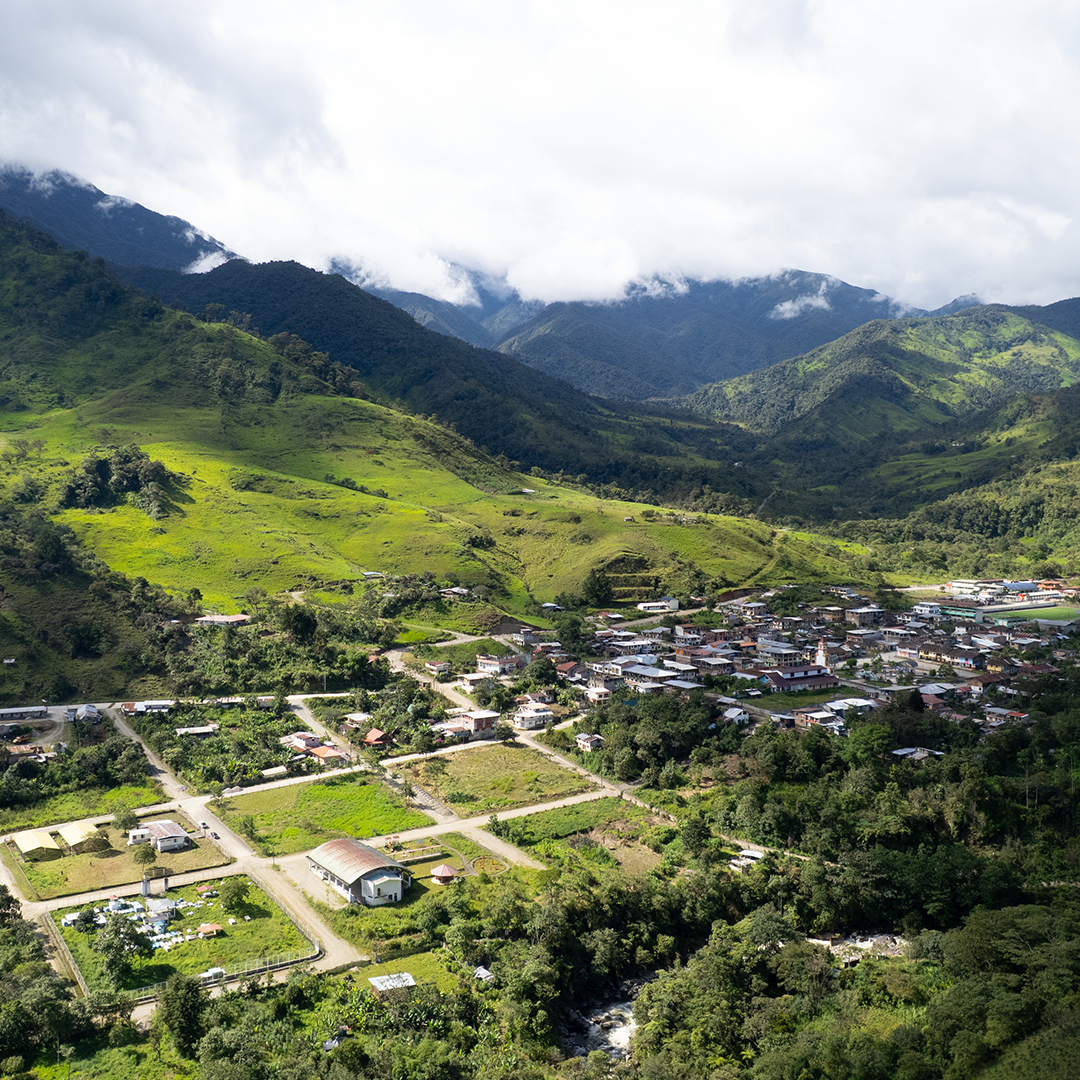
Zamora Chinchipe was, for most of its coffee history, a
conventional-market province: remote, poorly connected, without the
processing infrastructure or market access to realise the potential
of its terroir. The Bracamoros Coffee Fair in Zumba began changing
that dynamic, and the gradual investment in on-site fermentation
and drying equipment — tanks, raised beds, pulping machinery
— has allowed producers in the area to take control of
post-harvest work that was previously handled off-farm or not at
all.
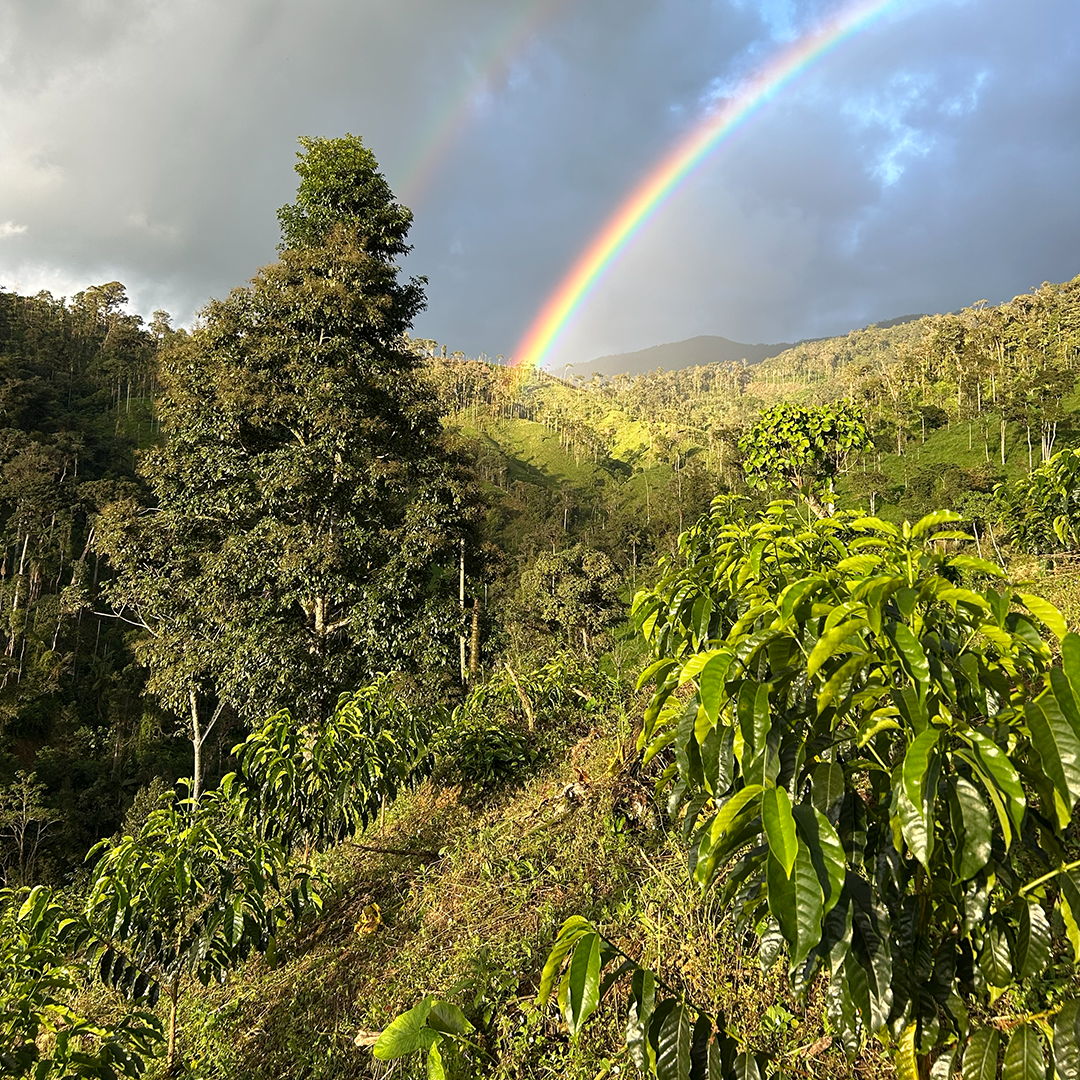
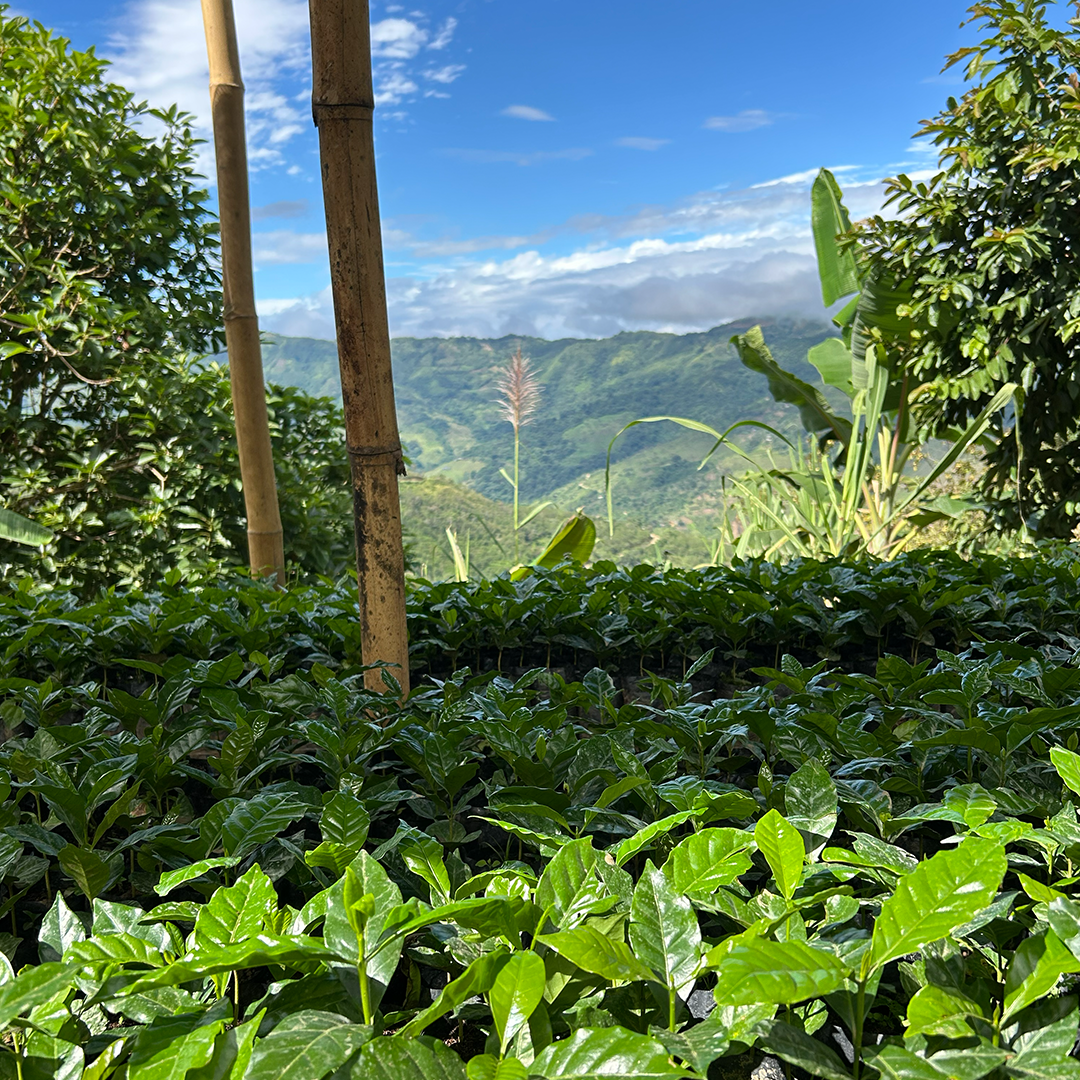
At 1,650 masl in the Progresso community, the growing conditions
carry the character that defines upper-elevation Zamora Chinchipe:
Amazonian humidity softened by Andean altitude, native forest
providing continuous shade and biological complexity in the soil,
and the cool Andean nights that allow cherry maturation to build
rather than rush its sweetness. The Mayo-Chinchipe river basin,
running south from here toward Peru, is one of the more biodiverse
riparian systems on the western edge of the Amazon — and that
ecological richness shapes fermentation in this landscape in ways
distinct from a drier highland hillside.
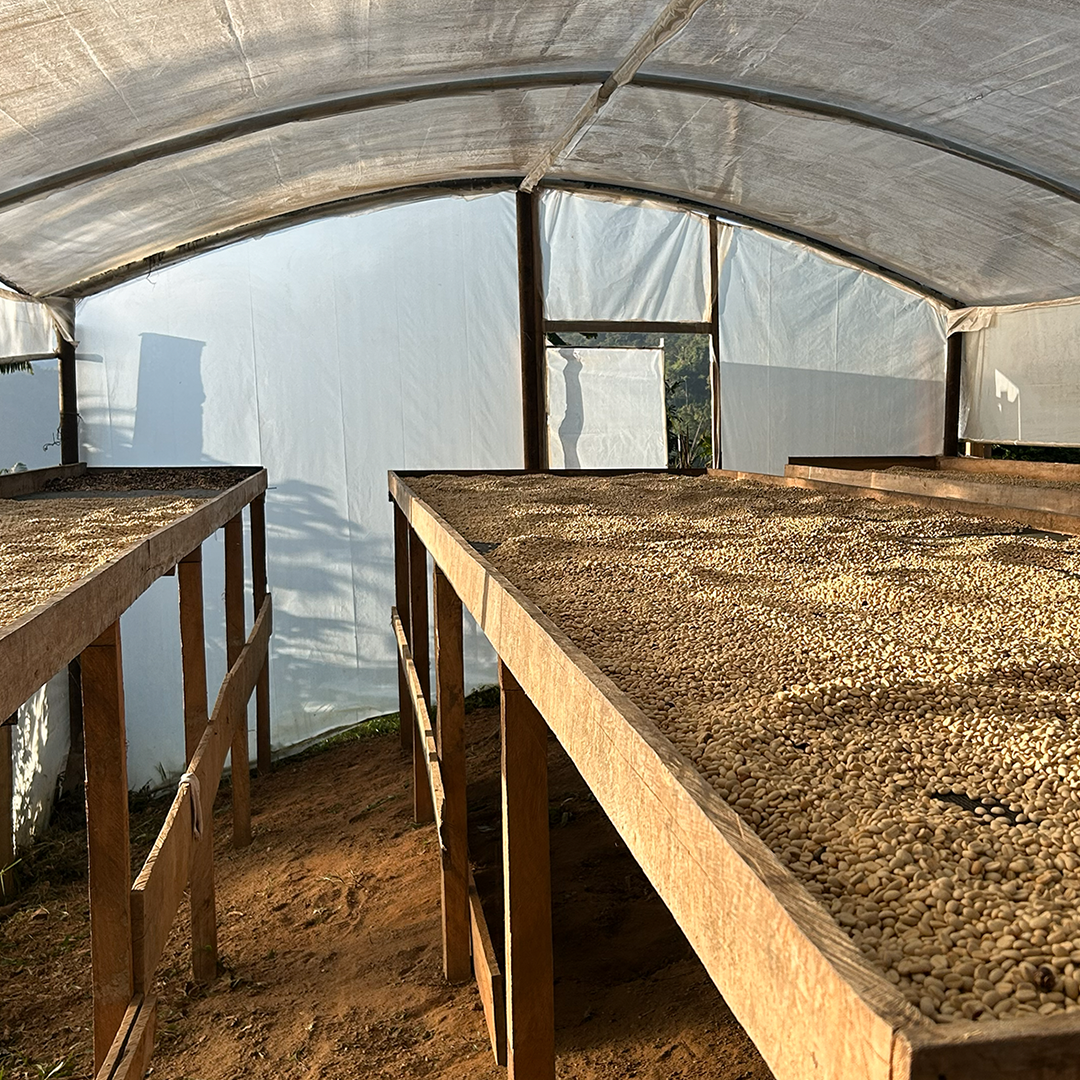
This Typica Mejorado lot underwent whole-cherry anaerobic
fermentation before pulping, followed by extended slow drying. Two
lots from the Progresso operation appear in this competition. The
ASD Natural is the longer, more intensive process — rose,
nectarine, and cherry emerging through weeks of careful management
in one of Ecuador's most under-recognised growing zones.
Coffee Description
General Information
Sensory and Jury Scoring Summary
About the Farm
